

Industrial waste management in Atlanta is a crucial service for any business whose processes include manufacturing or production. Industrial activities produce a significant amount of waste, and without a comprehensive waste disposal program, the health and safety of your employees may be at risk. With so many different categories of industrial waste, it’s important to understand what materials can be reused and recycled, and how to properly manage and reduce waste disposal. Here are some facts about the different categories of industrial waste.
Chemical Waste
Chemical waste is typically generated by factories, processing centers, warehouses, and plants. This waste mayinclude harmful or dangerous chemicals and chemical residue, and waste disposal must adhere to careful guidelines. These guidelines are instituted and regulated by various government and environmental agencies, such as the Environmental Protection Agency, and the Occupational Safety and Health Administration. There are generally fines associated with non-compliance. Chemical waste must be segregated on-site, and waste disposal may need to be handled by a specialist to ensure compliance with health, safety, and legal requirements.
Solid Waste
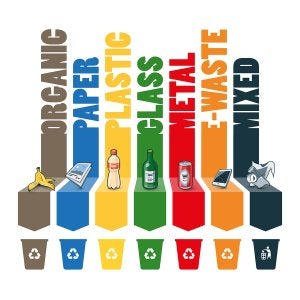
In industrial services, solid waste includes a variety of different materials, including paper, cardboard, plastics, packaging materials, wood, and scrap metal. Some of these materials can be reused and recycled by a recycling center. If you don’t have a comprehensive waste management plan that includes recycling, your waste disposal is not going to be as cost-effective or environmentally friendly as it could be. A recycling center can process the majority of industrial solid waste, effectively reducing your waste disposal costs.
Toxic and Hazardous Waste
Toxic and hazardous waste is comprised of materials that can cause serious health and safety problems if waste disposal is not handled correctly. This type of waste typically includes dangerous byproducts materials generated by factories, farms, construction sites, laboratories, garages, hospitals, and certain production and manufacturing plants. The EPA and state departments regulate toxic and hazardous waste disposal. This waste disposal is only legal at special designated facilities around the country.