

All recyclable materials have their worth, but non-ferrous metals are particularly valuable. If your company produces scrap metal or if you are interested in the effects of recycling
on the environment, then you can benefit from learning more about non-ferrous metal recycling near Atlanta.
What are non-ferrous metals?
Non-ferrous metals include copper, zinc, tin, nickel, aluminum, lead, gold, silver, platinum, and others. The metals in this category do not contain iron, are non-magnetic, and are more resistant to corrosion than ferrous metals. Of all the recyclable materials, non-ferrous metals are among the few that do not break down or lose their physical or chemical properties during the recycling process, meaning that they can be reused an infinite number of times without changing in composition. These characteristics make non-ferrous metals incredibly valuable recycling materials.
What items are made from non-ferrous metals?
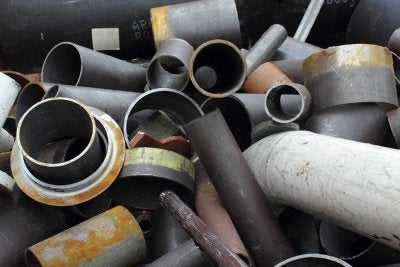
A large amount of the non-ferrous metal that is recycled in the United States comes from industrial waste resulting from the production of goods like cars and appliances. Some examples of industrial sources of non-ferrous scrap metal include automobile batteries, radiators, boats, window frames, airplane parts, aluminum siding, pipes, and electrical wires. As a consumer, you might find yourself recycling these metals in the form of soft drink cans, packaging materials, cookware, cutlery, batteries, tin cans, and door knobs.
How are non-ferrous metals recycled?
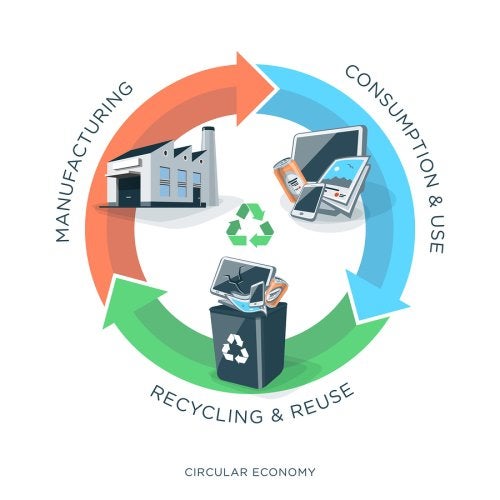
If referring to volume, then non-ferrous metal recycling doesn’t account for much of all recycled materials in the United States. However, in terms of scrap metal, non-ferrous metal scrap made up more than 50% of total scrap recycling industry earnings in the country in 2012. The process starts with non-ferrous metal being collected through industrial, commercial, and residential recycling systems. The metal is then transported to a metal recycling center, where it is sorted. Each variety is then processed, refined, and converted into billets and ingots which are later sold to industries to be transformed into goods and start the process once again.