

Do you make it a habit to recycle near Atlanta? If so, then you might benefit from learning about recycling ferrous materials.
Ferrous and Non-Ferrous Metals
Scrap metal recycling involves collecting and sorting different metals, and then processing each type, and many people consider the scrap metal recycling industry to have 2 primary categories: ferrous and non-ferrous metal recycling. Ferrous metals are those that contain high amounts of iron, such as iron and steel. Some examples of non-ferrous metals include aluminum, stainless, steel, brass, bronze, and copper. Because of its molecular structure, iron has a much higher melting point than other metals. For this reason, not all metal recycling facilities are equipped to recycle iron, and many locations that do have different areas designated for ferrous and non-ferrous metals.
The Value of Ferrous Metals
Compared to metals like brass and copper, steel and iron aren’t particularly lucrative items to recycle. However, it’s worth bringing steel and iron with you to the scrapyard or putting it in the recycling bin, since doing so can lower your carbon footprint, reduce the amount of new ore that is mined, and keep the scrap metal out of a landfill. Steel is among the most commonly used metals worldwide, rusts easily, and attracts magnets. A magnet will also stick to iron.
The Ferrous Metal Recycling Process
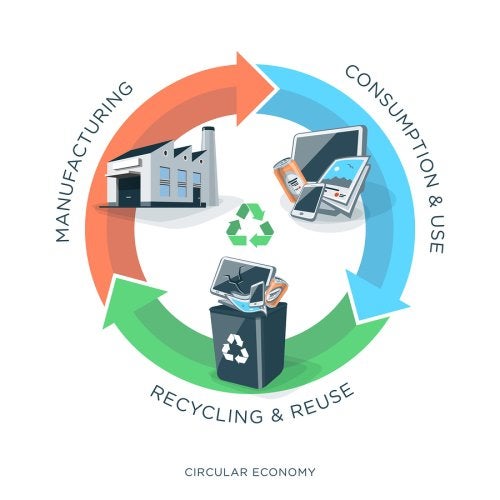
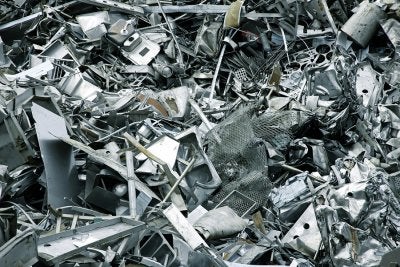
The ferrous scrap metal recycling process begins with collection through residential, commercial, and industrial recycling programs. Next, the metal is brought to a recycling center where the different metals are sorted. To identify ferrous from non-ferrous metals, the scrap pieces pass beneath a magnet. Ferrous metals stick to this magnet, while non-ferrous metals remain on the conveyor. Then, the scrap metal is shredded and pressed into cubes to make it easier to process and transport. Once the ferrous metal cubes reach the smelting facility, they are melted into liquid molten metal and poured into molds to create ingots. Finally, the ingots are sold to industries to be used to fabricate new materials.