


For many companies, a significant amount of the food they purchase ends up in dumpsters. If you’re looking for a better alternative to throwing away your business’ food waste near Atlanta, then you may benefit from learning about a process called food recycling. Read on to learn the answers to frequently asked questions about this waste management option.
What is food recycling?
Tons of food that can be recycled are sent to landfills every year, and this is a trend that is both wasteful and expensive. Food recycling is much like it sounds and involves the recycling of food waste. If your business produces a lot of food waste, then you, your consumers, and the environment may all benefit if you were to adopt a food recycling system.
What are the benefits of food recycling?
There are many good reasons to get on board with food recycling. First, this process can reduce waste management costs and support zero waste initiatives. Also, food recycling benefits both consumers and companies by improving purchasing discipline and inventory control, because less product wasted means less spending for businesses and lower prices for customers. Additionally, cutting down on food waste benefits the environment by keeping more methane-producing garbage out of landfills and reducing the amount of food that needs to be produced.
Who should use food recycling?
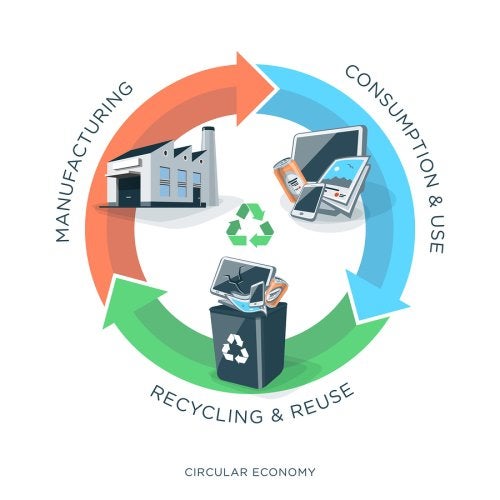
While there is a lot of potential for food recycling, the food service industry is most impacted. Companies that produce or purchase food can direct food waste into the recycling stream instead of the dumpster. From there, the waste can be used to produce animal feed and compost. Also, industrial facilities can use food waste to generate electricity, using the natural gas produced by a process called anaerobic digestion.
What happens after food is recycled?
Companies in the food industry can later benefit from sending their food waste into the recycling stream. For example, the resulting animal feed and compost can be used to produce animal products and crops, and the electrical power generated from anaerobic digestion can provide electrical power for food processing facilities.